


This blog explores whether automation testing can fully replace manual testing, highlighting key differences, use cases, limitations, and why a balanced testing approach remains essential for delivering high-quality, user-centric software.


 September 16, 2026
 July 1, 2026
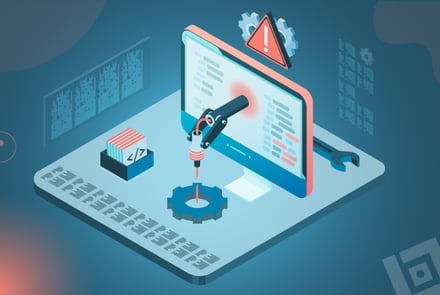
This blog explores the key limitations of automation testing, including maintenance complexity, high initial costs, AI constraints, and coverage gaps. It helps QA leaders determine when automation delivers value and where manual testing remains essential.
 June 29, 2026
This blog explains how manual and automated testing complement each other, outlines best practices for a hybrid QA strategy, compares both approaches in detail, and helps teams choose the right balance to improve release speed, coverage, and product quality.
 March 6, 2026
This blog explains why corporations are outsourcing test automation in 2026, covering cost efficiency, faster releases, AI adoption, talent gaps, and how outsourcing partners enable scalable, reliable, future-ready QA.
 April 5, 2024
For all our metrics, test plans, Agile approaches, and strict industry standards, the end goal of every software development project is the same: happy customers. The user experience is our definition of success.
 January 24, 2024
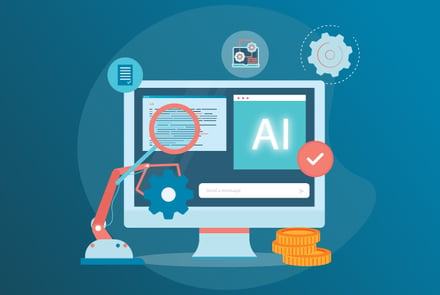
Integrating artificial intelligence (AI) and automation offers a strategic approach to redefining operational processes, driving cost-effectiveness and productivity. Research has shown that integrating these technologies can lead to a 50% reduction in operational costs while tripling process efficiency. As a result, the combination of AI and automation is reshaping the business landscape. This analysis delves into the nuances of this integration, illustrating how AI and automation are revolutionizing business operations.
 December 20, 2023
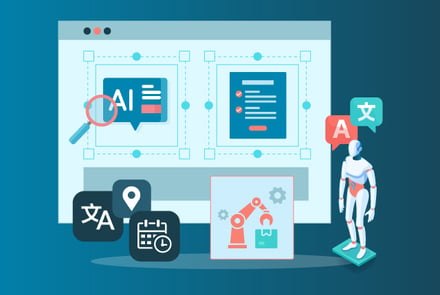
Localization testing (L10n testing) extends beyond translation to ensure your software application can seamlessly adapt to various languages, regions, and cultural nuances. This meticulous process guarantees that your software functions smoothly across languages while respecting diverse user bases' unique customs and preferences. But manual localization testing is no simple task. Integrating AI and automation into the localization testing process enhances efficiency and ensures precision— vital for delivering a top-notch global user experience.
 October 14, 2023
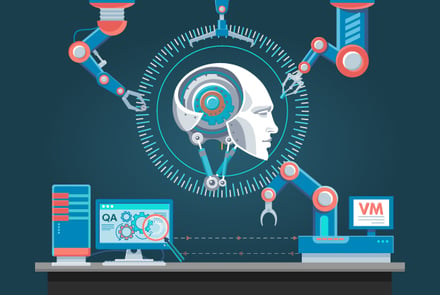
In the new era, Automation testing is expected to play a crucial role in software development and quality assurance processes in the coming years. In 2024, it is anticipated that automation testing will become even more prevalent and sophisticated because of advancements in technologies like artificial intelligence and machine learning are likely to enhance automation testing capabilities further. AI-powered testing tools can analyze vast amounts of data, identify patterns, and generate test cases, thereby increasing the efficiency and effectiveness of testing processes.
 July 28, 2023
x Product businesses today need to stand up to agility and scale to keep up with the demands of their users. This calls for unmatched quality assurance, reduced time-to-market, and reliability - something the traditional QA process may not deliver. Eventually, creating a Testing Center of Excellence (TCoE) represents your commitment to quality.