


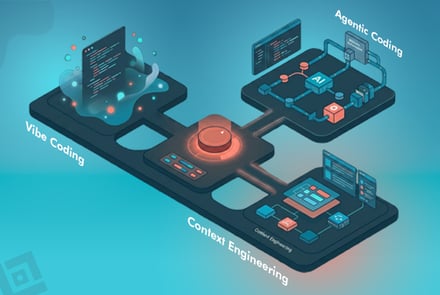
This blog examines vibe coding, agentic coding, and context engineering through an engineering leadership lens, focusing on governance, risk, and system reliability. It highlights how AI-driven development impacts change failure rates, code ownership, and architectural consistency.
 Back To Main Menu
 April 16, 2026
 April 15, 2026
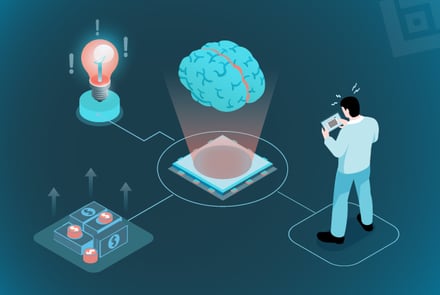
This blog explores the impact of AI on critical thinking in modern engineering teams, explaining cognitive debt, AI over-reliance risks, and how organizations can prevent declining code quality through governance, testing discipline, and AI risk assessment.
 November 24, 2025
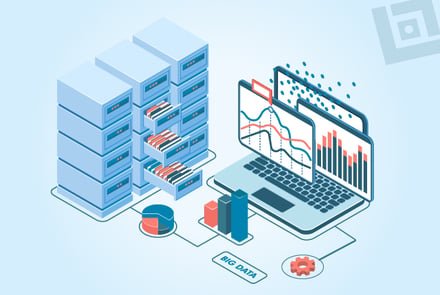
Learn how big data testing works in 2026 with AI-driven strategies and best practices. Discover key challenges, modern trends, and effective methods to ensure accurate, scalable, and reliable data for stronger business decisions.
 July 29, 2025
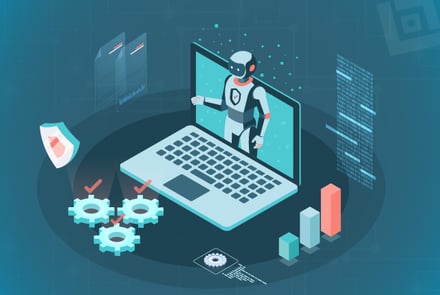
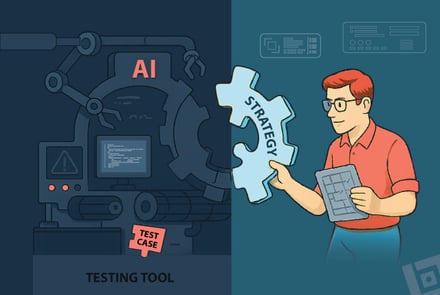
AI QA tools 2025 are being adopted by teams looking to reduce manual workload while increasing test depth and accuracy. Teams are expected to support frequent releases, test across multiple platforms, and maintain high quality while working with limited time and resources.
 July 15, 2025
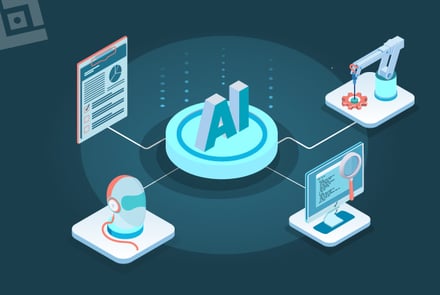
In 2025, AI tools for software QA offer advanced capabilities in automation, defect detection, test prioritization, and data generation. These tools are positioned as solutions for faster release cycles and higher software quality. Many engineering teams invest in AI QA tools to keep pace with development demands and reduce manual effort.
 July 8, 2025
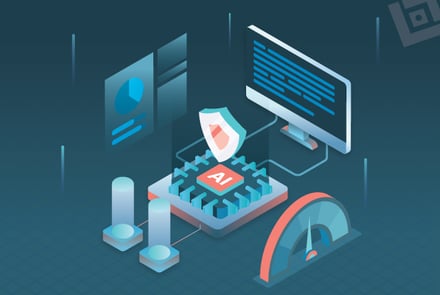
Identifying when to integrate AI into your testing process is essential for scaling efficiently. If test cycles are slow, error-prone, or lack insights, AI could be the solution. Discover how QASource leverages AI in testing to enhance accuracy and speed.
 July 1, 2025
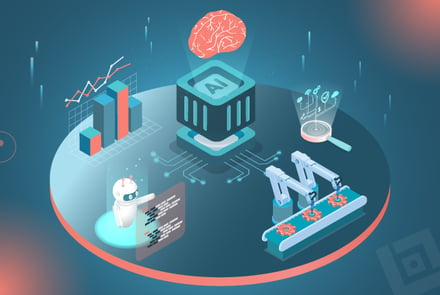
Leading brands are harnessing AI to accelerate software testing cycles in 2025. From predictive analytics to intelligent automation, AI enhances precision and reduces manual effort. QASource integrates these AI advancements to streamline test processes.
 June 24, 2025
The 2025 AI testing roadmap highlights key actions QA engineers should prioritize to stay ahead. From enhancing test coverage with AI tools to focusing on smarter test case design, this guide outlines five strategic moves to elevate quality assurance in the AI era.
 June 17, 2025
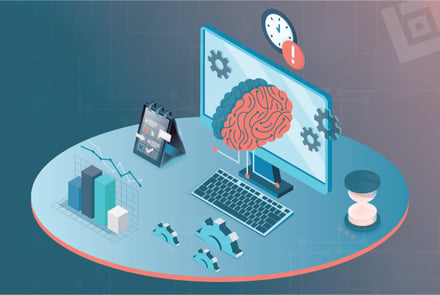
Postponing AI integration in software testing can trigger a snowball effect of rising costs, inefficiencies, and missed innovation. In 2025, avoiding AI may slow test cycles, reduce accuracy, and leave businesses behind more agile, AI-ready competitors.