


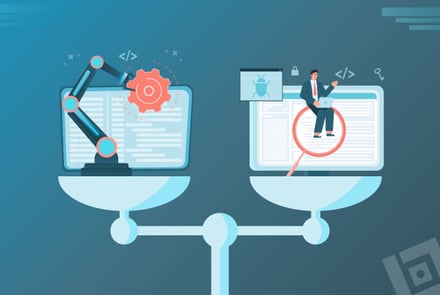
This blog explains how manual and automated testing complement each other, outlines best practices for a hybrid QA strategy, compares both approaches in detail, and helps teams choose the right balance to improve release speed, coverage, and product quality.


 June 25, 2026
Most BI failures don't start at the dashboard. They start long before it. This guide walks CTOs and enterprise leaders through a BI testing framework that validates data at every stage so the decisions you make are built on numbers you can rely on.
 April 27, 2026
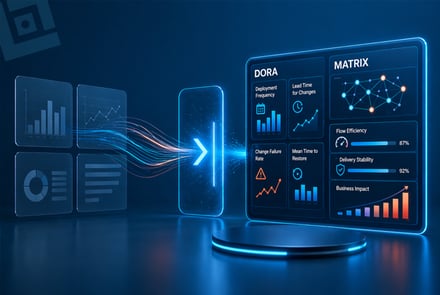
DORA scores look great, but production still breaks. In 2026, elite engineering leaders are closing the gap with software engineering metrics that track AI code quality, developer experience, and real business outcomes, not just deployment speed.
 April 24, 2026
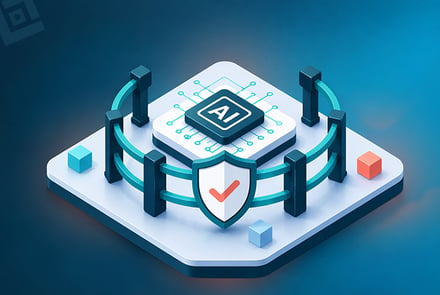
This blog explores how AI-driven development is accelerating code output while weakening quality signals, highlighting risks like flaky tests and pipeline decay. It outlines how engineering leaders can reposition QA into a strategic function with guardrails, governance, and observability.
 April 23, 2026
AI coding tools are shipping faster than ever. But AI code security vulnerabilities are scaling at the same pace. This blog breaks down the root causes, consequences, and what engineering leaders must do before the next breach.
 April 22, 2026
This blog breaks down why full automation creates governance risks that most organizations can't afford, and how Human-in-the-loop AI solves that by keeping human judgment at every critical decision point. It covers how a properly implemented HITL model integrates directly into your existing repositories, pipelines, and frameworks without vendor lock-in.
 April 21, 2026
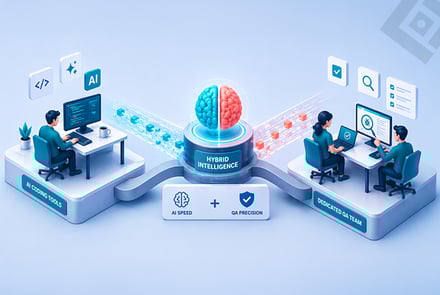
Engineering organizations are adopting AI coding tools at a pace that has outrun their quality infrastructure. This blog makes the case for Hybrid Intelligence and argues that dedicated quality engineering is not overhead.
 April 20, 2026
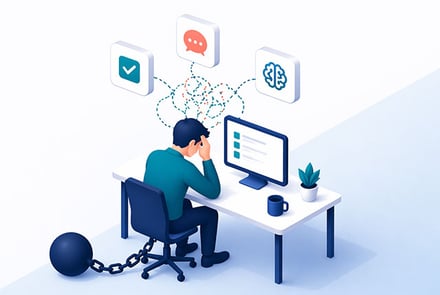
AI has made engineering teams faster, but faster is now outpacing stable, and the gap is showing up in incidents, fragile releases, and teams that can't explain what they shipped. This piece gives a practical framework to govern AI adoption before the velocity becomes a liability.
 April 17, 2026
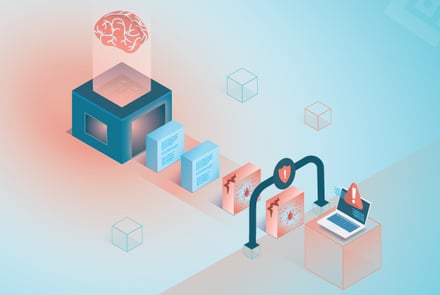
AI is accelerating software delivery, but rising incidents per pull request reveal growing risks in quality, security, and stability. This blog explores why AI-generated code introduces hidden failures across testing and CI/CD pipelines, and how teams can reduce change failure rates with stronger QA strategies.